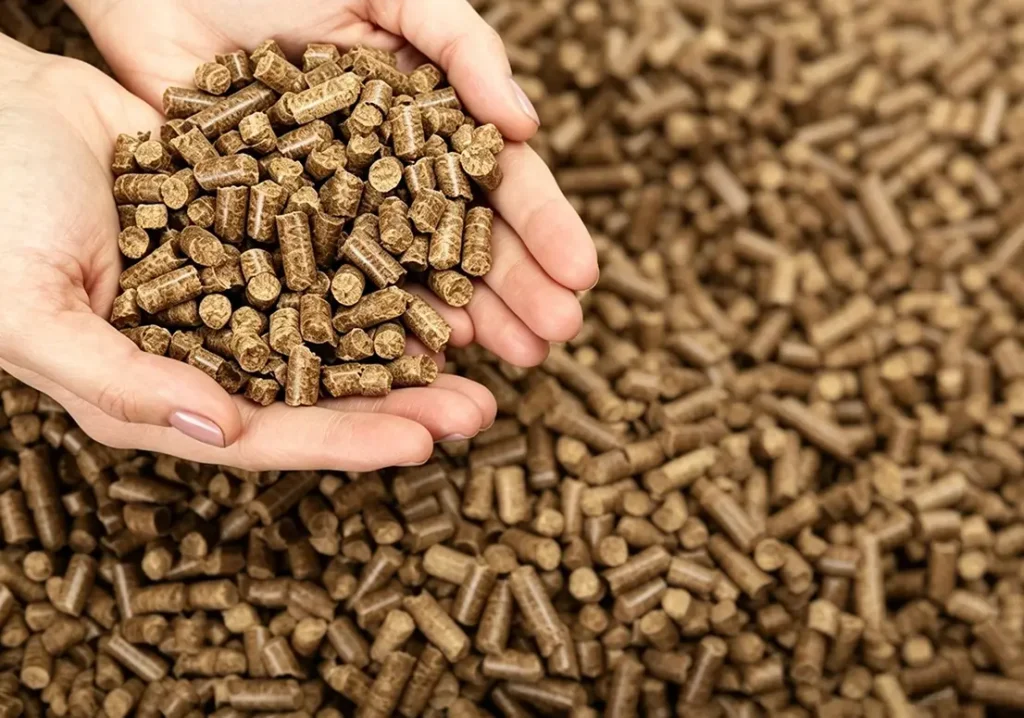
The palm oil industry generates a large amount of biomass residue every year. Among these residues, empty fruit bunches, commonly known as EFB, are one of the most significant solid wastes produced by palm oil mills. After fresh fruit bunches are processed to extract palm oil, large quantities of empty fruit bunches remain.
For palm oil mills, handling this material efficiently can be a major operational and environmental consideration. Simply storing, transporting, or disposing of EFB may not make full use of its potential. Pelletizing provides another option by converting loose, bulky EFB into a more uniform and manageable biomass fuel.
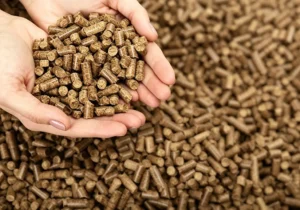
EFB pellets can be used in industrial boilers, biomass heating systems, and other thermal applications. The pelletizing process can also improve the handling, storage, transportation, and utilization of palm waste.
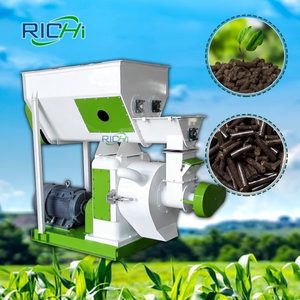
An EFB pellet making machine is the core equipment used to compress prepared EFB into dense biomass pellets. However, the value of EFB pelletizing comes from more than the pellet machine itself. A complete process involving cleaning, shredding, drying, grinding, pelletizing, cooling, screening, and packaging can turn a difficult-to-handle palm residue into a standardized biomass fuel.
This article explains why EFB pelletizing is useful for palm waste and how a properly designed EFB pellet production line can create practical value for palm oil mills and biomass fuel producers.
What Is EFB?
EFB stands for empty fruit bunches.
During palm oil production, fresh fruit bunches are processed to separate palm fruits from the bunch structure. After the fruits are removed, the remaining bunch material becomes EFB.
EFB generally contains a large amount of fibrous biomass material. Because it is produced continuously at palm oil mills, it can represent a substantial source of renewable biomass.
However, raw EFB has several characteristics that make direct utilization challenging:
- High moisture content
- Low bulk density
- Large and irregular structure
- Long fibers
- Variable particle size
- Difficult transportation
- Large storage volume
These characteristics are important reasons why pelletizing can be useful.
Why Palm Waste Needs Better Utilization
Palm oil mills need to manage large amounts of residues generated during processing.
If EFB is left untreated, several practical problems may occur.
Large Storage Volume
Loose EFB occupies considerable space because of its low bulk density.
A large amount of storage area may therefore be required to hold the material temporarily.
Difficult Transportation
Moving loose EFB over long distances can be inefficient because trucks may reach their volume limit before reaching their maximum payload.
This increases the importance of increasing biomass bulk density before transportation.
Moisture Management
Fresh EFB can contain significant moisture. High moisture makes transportation more expensive and can make long-term storage more difficult.
Handling Challenges
Long fibers and irregular pieces can make feeding EFB into conventional fuel systems difficult.
Pelletizing addresses several of these problems by transforming loose fibers into compact, uniform fuel particles.
What Is EFB Pelletizing?
EFB pelletizing is the process of converting empty fruit bunches into dense cylindrical biomass pellets.
A typical process may include:
EFB receiving → Cleaning → Shredding → Drying → Crushing → Fine Grinding → Pelletizing → Cooling → Screening → Packaging
Each stage performs a specific function.
The raw material is first prepared to achieve a suitable moisture level and particle size. It is then compressed through a pellet mill to form cylindrical pellets.
After pelletizing, the hot pellets are cooled and screened before being packaged or transported.
The result is a more standardized biomass fuel that is easier to handle than loose EFB.
1. EFB Pelletizing Increases Biomass Bulk Density
One of the most obvious advantages of pelletizing palm waste is increased bulk density.
Raw EFB is bulky and fibrous. A truck carrying loose EFB may transport a large volume without carrying an equivalent amount of dry biomass.
During pelletizing, the material is compressed under mechanical pressure.
The resulting pellets occupy significantly less space than the original loose fibers.
This can provide several practical benefits:
- More efficient transportation
- Reduced storage volume
- Easier loading and unloading
- Better warehouse utilization
- More convenient automated feeding
For palm oil mills located far from biomass fuel consumers, improved bulk density can be particularly valuable.
2. EFB Pellets Are Easier to Transport
Transportation is an important consideration in biomass utilization.
Loose EFB can be difficult to transport because of its low bulk density and irregular shape.
Pellets provide a much more standardized form.
They can be loaded into bags, bulk containers, trucks, or other transportation systems more efficiently.
This makes EFB pellets suitable for markets where the biomass must be transported beyond the immediate palm oil mill.
By reducing unnecessary transportation volume, pelletizing can make the logistics of palm waste utilization more manageable.
3. Pelletizing Makes Palm Waste Easier to Store
Storage is another major challenge associated with loose EFB.
Raw EFB can occupy a large area and may be difficult to organize into a stable storage system.
Pellets have a standardized shape and can be stored in bulk or packaged into bags.
A properly designed pellet storage system can therefore make it easier to:
- Control inventory
- Organize products
- Protect biomass from rain
- Load trucks
- Manage daily production
- Prepare fuel for future use
However, finished pellets should still be protected from excessive moisture because biomass pellets can absorb water and lose their mechanical strength.
4. EFB Pelletizing Creates a More Standardized Fuel
Raw EFB is irregular.
Pieces can vary significantly in size and shape, which can make direct feeding into combustion equipment difficult.
Pelletizing produces particles with relatively consistent dimensions.
The pellet diameter can be selected according to the requirements of the final application.
Standardized dimensions make pellets easier to feed into:
- Industrial boilers
- Biomass heating systems
- Thermal energy systems
- Automated fuel feeders
This standardization is one of the major differences between loose EFB and processed biomass fuel.
5. EFB Pellets Can Be Used as Biomass Fuel
One of the most important applications of EFB pellets is energy production.
Palm oil mills themselves may have thermal energy requirements. Other industrial facilities may also use biomass fuels in boilers and heating systems.
EFB pellets can provide a more convenient form of biomass fuel because they are:
- Compact
- Easy to handle
- Easy to transport
- Suitable for automated feeding
- More uniform than loose EFB
The actual combustion performance depends on moisture, ash content, pellet density, and other fuel properties.
Therefore, the pelletizing process should be designed according to the requirements of the intended combustion system.
6. EFB Can Support Renewable Energy Applications
EFB is a biomass residue generated from an agricultural and industrial process.
Converting it into pellets provides an opportunity to use this residue as a renewable biomass fuel rather than treating it solely as waste.
This can support applications such as:
- Industrial heat generation
- Steam production
- Biomass boilers
- Heating systems
- Combined heat and power applications
The exact energy application depends on local infrastructure, fuel requirements, and the economics of the project.
7. Pelletizing Improves Fuel Handling
Handling loose fibers can be difficult.
Long EFB fibers may become tangled, while irregular pieces can create unstable feeding.
Pellets have a more consistent shape and flow more predictably through suitable storage and feeding systems.
This can make automated fuel handling easier.
For industrial users, this is particularly important because fuel handling systems often need to operate continuously.
A standardized pellet can be transferred using conveyors, hoppers, screw feeders, and other material-handling systems designed for biomass pellets.
8. EFB Pelletizing Helps Reduce Waste Handling Pressure
Palm oil mills generate EFB continuously.
If there is no efficient utilization route, the material may accumulate faster than it can be handled.
Pelletizing creates an additional outlet for the residue.
Instead of managing EFB only as a waste stream, a palm oil mill can process it into a usable biomass product.
This can change the role of EFB from a disposal challenge into a raw material for fuel production.
9. EFB Pelletizing Can Support On-Site Energy Use
One potential application is using EFB pellets within or near the palm oil mill itself.
A palm oil mill may have its own energy requirements, including thermal energy for processing and other plant operations.
Instead of transporting all EFB away from the facility, some of the material can potentially be processed into pellets for local fuel use, depending on the plant’s energy system and project economics.
This creates an opportunity to connect residue management with energy supply.
The feasibility depends on the mill’s existing boiler system, energy demand, pellet quality requirements, and overall fuel balance.
10. EFB Pelletizing Can Create a Marketable Biomass Product
Another important advantage is that pellets can be sold as a standardized product.
Raw EFB has limited value in some markets because of its high moisture, bulky structure, and handling challenges.
Processed pellets can be marketed to biomass fuel users that require a more uniform product.
Potential customers may include:
- Industrial boiler operators
- Biomass power facilities
- Manufacturing plants
- Heating facilities
- Biomass fuel distributors
The actual market depends on regional fuel demand, transportation costs, product quality, and applicable regulations.
11. The EFB Pellet Making Machine Is the Core Equipment
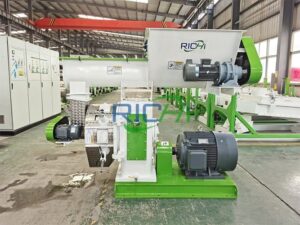
The EFB pellet making machine is responsible for compressing prepared EFB into biomass pellets.
However, selecting the machine should not be based solely on its rated capacity.
Important factors include:
- EFB moisture
- Particle size
- Fiber structure
- Required pellet diameter
- Production capacity
- Die compression ratio
- Motor power
- Roller design
- Operating hours
- Automation requirements
A pellet machine that is suitable for the actual characteristics of the raw material can provide more stable production.
For larger commercial projects, ring die pellet mills are often considered because they can support continuous industrial production.
(Learn more: https://richipelletizer.com/efb-pellet-machine/)
12. Raw Material Preparation Is Essential
A pellet machine cannot compensate for poorly prepared raw material.
EFB generally needs to be processed before pelletizing.
The preparation process may include:
Cleaning
Remove stones, sand, metal, and other foreign materials.
Shredding
Break long fibers into smaller pieces.
Drying
Reduce excessive moisture and improve moisture consistency.
Crushing
Further reduce particle size.
Fine Grinding
Prepare a relatively uniform feedstock for pelletizing.
Proper preparation can improve pellet formation and reduce the risk of die blockage.
13. Drying Is Particularly Important for EFB
Moisture is one of the key characteristics of EFB.
Excessively wet material may result in:
- Weak pellets
- Poor compression
- High energy consumption
- Unstable production
A rotary drum dryer can be used to reduce moisture continuously.
The dryer should be selected according to:
- Initial moisture
- Target moisture
- Processing capacity
- Heat source
- Material characteristics
Uniform drying is important because inconsistent moisture can lead to inconsistent pellet quality.
14. Pelletizing Makes Palm Waste More Convenient to Handle
One of the practical benefits of EFB pellets is their standardized physical form.
Pellets can be:
- Conveyed
- Screened
- Bagged
- Stored
- Loaded
- Transported
- Fed into boilers
This makes them more compatible with modern material-handling systems than loose EFB.
For commercial biomass fuel production, handling convenience can have a significant impact on total operating costs.
15. Pelletizing Can Improve Material Utilization
EFB contains valuable biomass material.
When properly processed, a large portion of the available material can be converted into fuel pellets.
A screening system can separate fines from qualified pellets, while suitable fines can often be returned to the pelletizing process.
This helps reduce unnecessary material losses.
The overall utilization rate depends on the quality of the raw material, process design, equipment condition, and operating parameters.
16. Cooling Improves Pellet Stability
Pellets leave the pellet mill at elevated temperatures.
They should be cooled before storage and packaging.
A pellet cooler can help:
- Reduce pellet temperature
- Stabilize moisture
- Improve mechanical strength
- Reduce breakage
- Prepare pellets for packaging
For large EFB pellet plants, a counterflow cooler can provide continuous cooling.
Cooling is an important part of the process because freshly produced pellets are more vulnerable to mechanical damage and moisture migration.
17. Screening Improves Finished Product Quality
After cooling, pellets can be screened.
Screening removes:
- Fines
- Broken pellets
- Undersized material
- Other unwanted particles
This helps create a more consistent final product.
For customers purchasing biomass fuel, excessive fines can create handling problems and affect feeding performance.
Therefore, screening should be treated as an important part of the EFB pellet production process rather than an optional final step.
18. EFB Pelletizing Can Reduce Storage Complexity
Loose EFB may require large storage areas.
Pellets are much more compact and easier to organize.
This can be particularly valuable for palm oil mills where land availability is limited.
A properly planned storage system can also separate:
- Raw EFB
- Dried material
- Finished pellets
- Packaging materials
- Rejected or recycled fines
Better organization can improve the overall flow of the factory.
19. EFB Pellet Production Can Be Integrated With a Palm Oil Mill
An EFB pellet plant can potentially be integrated with existing palm oil processing infrastructure.
This can provide access to:
- Continuous EFB supply
- Existing plant utilities
- Existing transportation systems
- Existing storage areas
- Existing workforce
- Potential biomass fuel consumers
Integration can simplify raw material collection because EFB is already generated at the palm oil mill.
However, the layout should be carefully planned to avoid interference with the main palm oil processing operations.
20. Automation Can Improve EFB Pellet Production
A modern EFB pellet production line can use automatic control systems to coordinate different stages.
Automation can monitor:
- Raw material feeding
- Dryer temperature
- Moisture
- Pellet mill load
- Cooling temperature
- Screening
- Conveying
- Packaging
Automatic control can reduce manual intervention and improve production consistency.
For large-scale plants, centralized control can allow operators to monitor the entire process from one control room.
21. EFB Pelletizing Can Improve Logistics Efficiency
Logistics can account for a significant part of biomass fuel costs.
The low density of loose EFB makes transportation challenging.
Pelletizing increases the amount of useful biomass that can be transported within a given volume.
This can make long-distance transportation more practical.
However, the actual economic benefit depends on transportation distance, pellet production cost, local fuel prices, and available markets.
Therefore, logistics should be considered when determining the appropriate capacity and location of an EFB pellet plant.
22. EFB Pelletizing Supports the Circular Use of Palm Residues
Palm oil production generates multiple biomass residues.
Instead of viewing these materials only as waste, they can be considered potential resources.
EFB pelletizing is one example of converting an agricultural residue into a standardized energy product.
This approach supports a more circular utilization model:
Palm fruit → Palm oil → EFB residue → Pellet production → Biomass fuel → Energy
The exact process may vary from one palm oil mill to another, but the principle is to maximize the useful value of available biomass.
23. What Equipment Is Needed for an EFB Pellet Plant?
A commercial EFB pellet production line may include the following equipment:
- Raw material receiving system
- Cleaning equipment
- Bale or material handling equipment where required
- EFB shredder
- Crusher
- Rotary dryer
- Fine grinder
- Magnetic separator
- Feeding system
- EFB pellet making machine
- Pellet cooler
- Vibrating screen
- Conveyors
- Packing machine
- Dust collection system
- Electrical control system
Not every project requires exactly the same configuration.
The equipment should be selected according to EFB characteristics, production capacity, pellet specifications, factory layout, and final application.
24. How to Improve the Efficiency of an EFB Pellet Plant
A successful EFB pellet project should focus on the complete process rather than one machine.
Several measures can improve overall efficiency.
Maintain Consistent Moisture
Install an appropriate drying system and monitor moisture before pelletizing.
Optimize Particle Size
Reduce long fibers and prepare a consistent feedstock without excessive grinding.
Select the Correct Die
Choose the appropriate die diameter and compression ratio for the required pellets.
Maintain Stable Feeding
Use suitable hoppers, feeders, and anti-bridging systems.
Maintain the Pellet Machine
Regularly inspect rollers, dies, bearings, drive components, and lubrication systems.
Balance the Production Line
Ensure that drying, grinding, pelletizing, cooling, screening, and packaging capacities are properly matched.
Recycle Suitable Fines
Return appropriate fines to the pelletizing process to improve material utilization.
25. What Should Be Considered Before Investing in EFB Pelletizing?
Before investing in an EFB pellet production project, palm oil mills should evaluate several factors.
EFB Availability
Determine how much EFB is generated daily, monthly, and annually.
Moisture Content
Test the actual moisture of the available EFB.
Production Capacity
Determine the desired pellet output according to available raw material and market demand.
Pellet Specifications
Define the required diameter, moisture, density, and other product characteristics.
Fuel Market
Identify potential customers and their biomass fuel requirements.
Transportation
Calculate the cost of moving raw EFB and finished pellets.
Energy Supply
Evaluate the available heat and electricity sources for drying and pelletizing.
Factory Layout
Ensure enough space is available for equipment, storage, transportation, and maintenance.
Automation
Determine the appropriate level of automatic control according to production scale and labor availability.
(investigate this site: RICHI Pelletizer)
26. EFB Pelletizing as a Long-Term Biomass Strategy
For palm oil mills with a stable supply of EFB, pelletizing can be considered as part of a long-term biomass utilization strategy.
Instead of depending on temporary disposal methods, the mill can establish a structured process for:
Collection → Processing → Pelletizing → Storage → Transportation → Fuel Utilization
This creates a more predictable pathway for utilizing palm waste.
The long-term success of such a project depends on consistent raw material supply, stable equipment operation, appropriate product quality, reliable customers, and reasonable operating costs.
Conclusion
EFB pelletizing provides a practical way to convert bulky palm oil mill residue into a more compact, standardized, and manageable biomass fuel. The process can address several challenges associated with raw EFB, including low bulk density, high moisture, irregular shape, difficult handling, transportation requirements, and large storage volume.
An EFB pellet making machine plays a central role by compressing prepared EFB into dense pellets. However, successful EFB pellet production requires more than a pellet machine. Cleaning, shredding, drying, grinding, feeding, cooling, screening, packaging, and storage must all be properly coordinated.
For palm oil mills, EFB pelletizing can provide several potential benefits: improved biomass handling, easier transportation, more organized storage, standardized fuel production, and additional opportunities for utilizing palm residues as an energy resource.
The most effective solution depends on the specific palm oil mill. Raw material availability, moisture, required capacity, pellet specifications, energy conditions, factory layout, transportation distance, and local biomass fuel demand should all be considered before equipment selection.
With appropriate process design and equipment configuration, EFB can move from being a bulky palm waste stream to becoming a useful and more manageable biomass fuel resource.