Begin With the Product the Market Needs
A kitty litter manufacturing facility should be designed around the characteristics customers expect from the finished product. Different markets may favor mineral litter, plant-based alternatives, wood pellets, or products made from recycled materials. Each category presents different requirements for raw material preparation, forming, drying, packaging, and quality control.
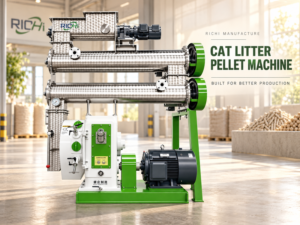
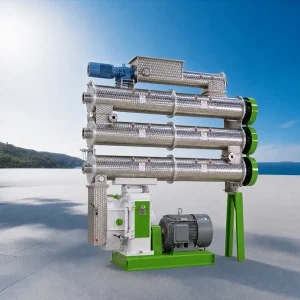
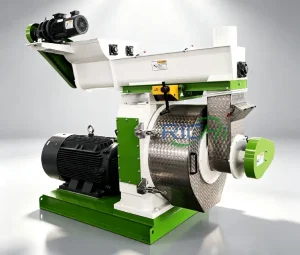
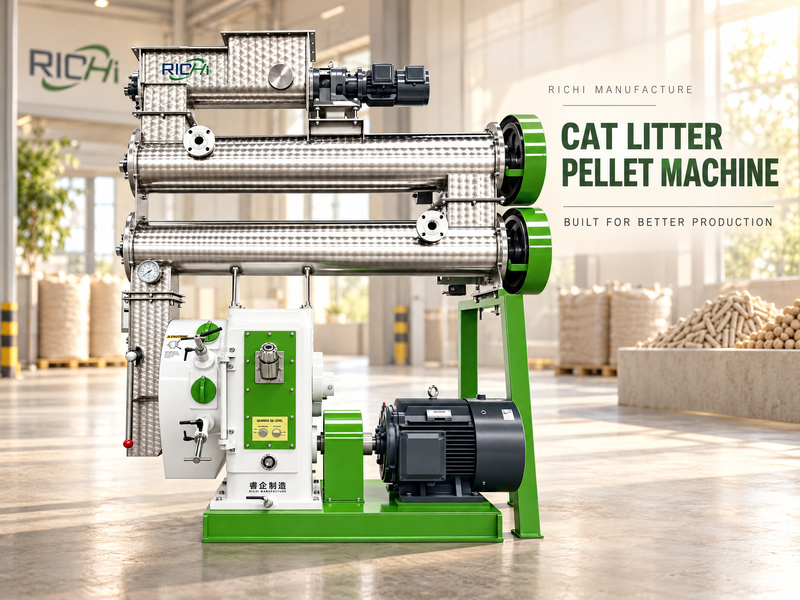
A cat litter pellet machine is a central part of many pellet-based manufacturing systems, but it cannot determine the success of the business by itself. The factory also needs a suitable formulation, reliable ingredient supply, coordinated equipment, and a process that consistently produces the specified litter.
Before purchasing machinery, the project team should define the intended customer group, product dimensions, packaging format, planned capacity, and distribution strategy. These decisions help prevent the factory from investing in equipment that does not match its commercial goals.
Designing for a Flexible Product Range
Assess Raw Material Compatibility
A manufacturer considering multiple litter types should compare their processing requirements before deciding whether they can share the same equipment. Wood fibers, soybean residue, bentonite, and recycled paper have different physical characteristics and may require different preparation methods.
Some materials need shredding or grinding to achieve a suitable particle size. Others may require moisture adjustment, controlled mixing, or a different drying approach. The process should be developed around the specific material rather than assuming that all ingredients can follow an identical route.
Product changeovers should also be considered. Switching between formulations may require cleaning, recipe adjustments, or changes to operating parameters. The time and material losses associated with these transitions should be included in production planning.
Avoid Flexibility That Adds Unnecessary Complexity
A factory does not need to produce every possible litter type to be commercially successful. Each additional formulation can increase inventory requirements, quality-testing responsibilities, and the complexity of production scheduling.
A focused product portfolio may be more manageable during the early stages of a business. Once sales data identifies which products perform well, the manufacturer can assess whether additional formulations justify the investment.
The layout should provide reasonable room for future expansion without forcing the business to purchase all potential equipment immediately. This balances flexibility with financial discipline.
Integrating Equipment Into One Manufacturing Process
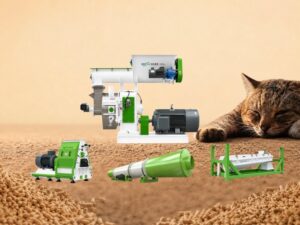
A kitty litter production line may include raw material handling, size reduction, mixing, pelleting, drying where required, cooling, screening, conveying, and packaging. The actual equipment list depends on the product and the condition of the incoming ingredients.
Each processing stage should have sufficient capacity to support the next. If the mixer delivers material too slowly, the pellet press may remain underused. If the dryer or packaging system cannot handle the finished output, the line may accumulate material and experience interruptions.
Transfer points should be designed to minimize unnecessary handling and provide access for inspection. Conveyors and elevators can connect stages efficiently, but their capacity and arrangement should be matched to the material’s flow characteristics.
The project team should also consider how the process will respond when a machine stops. A clear shutdown sequence and practical maintenance access can reduce disruption and help protect both personnel and equipment.
Establishing Product Quality Standards
Measure Characteristics That Matter
Quality assurance should begin with a defined product specification. Depending on the intended litter, this may include pellet dimensions, moisture, mechanical strength, dust generation, absorbency, and clumping behavior.
These properties should be evaluated through consistent procedures. Testing only the first batch is insufficient because raw material variations and equipment wear can affect later production. Regular sampling helps the manufacturer recognize changes before they become a larger problem.
Quality records should connect test results with the material source, formulation, and production conditions. When a batch fails to meet requirements, these records help the team investigate whether the cause relates to raw material preparation, mixing, forming, drying, or handling.
Manage Off-Specification Material
Screening can separate oversized or broken particles from the acceptable product. If the material is clean and the process permits recovery, some off-specification material may be reprocessed. The factory should establish limits and procedures rather than returning all rejected material automatically.
Excessive recycling can affect the characteristics of the mixture and create additional handling demands. Clear recovery rules help protect consistency and make material losses easier to measure.
Manufacturers seeking further background on equipment and process choices may visite site to review available technical information, then confirm relevant specifications with the equipment supplier. Product claims and process recommendations should be assessed against the intended recipe and actual operating conditions.
Planning Maintenance and Operational Support
A production facility should be designed so routine inspections and component replacement can be performed safely. Dies, rollers, bearings, cutters, motors, and feeding systems may require maintenance according to operating conditions and the manufacturer’s instructions.
The maintenance plan should identify inspection intervals, lubrication requirements, cleaning procedures, and critical spare parts. Operators also need training in safe startup, shutdown, and troubleshooting.
A suitable supplier should provide clear technical documentation and explain the scope of installation and after-sales support. Buyers should verify which services are included in the quotation and which may involve additional costs.
Evaluating the Commercial Performance of the Factory
Production efficiency should be measured using saleable output rather than the quantity of material entering the machine. Raw material losses, off-specification pellets, downtime, packaging waste, and customer returns all affect the real economics of the operation.
Manufacturers should track the cost per tonne of acceptable finished product and compare it with actual selling prices and distribution expenses. This makes it easier to identify whether improvements in formulation, equipment coordination, or operating practices are delivering commercial value.
A pellet line should ultimately support a sustainable business model. High nominal capacity has limited value if the factory cannot sell the output, obtain suitable raw materials, or maintain consistent quality.
Conclusion: Design Around the Complete Business
A flexible kitty litter factory combines appropriate machinery with product planning, process control, quality assurance, and practical maintenance. The most effective design is not necessarily the largest or most automated; it is the one that matches available resources and customer requirements. By establishing clear specifications and coordinating the complete process, manufacturers can build a production facility that is better prepared for reliable operation and future development.
View details: https://www.richimanufacture.com/cat-litter-pellet-machine/