Fish feed production is one of the most important pillars of modern aquaculture. As global demand for seafood continues to rise, fish farming has become a critical source of animal protein. However, the success of aquaculture depends heavily on one key factor: feed quality. Even the most advanced farming techniques cannot compensate for poor nutrition. That is why selecting the right raw materials for fish feed production is essential.
High-quality raw materials directly influence fish growth rate, feed conversion ratio, immunity, survival rate, and overall farm profitability. In modern production systems, ingredients are processed through advanced equipment such as the fish food pellet making machine, which transforms raw materials into stable, digestible, and nutritionally balanced pellets.
This article explores in detail the best raw materials for fish feed production, their nutritional roles, how they are processed, and how they contribute to efficient aquaculture systems.
1. Importance of Raw Materials in Fish Feed Production
Raw materials are the foundation of fish feed formulation. They determine:
- Nutritional value of feed
- Pellet quality and stability
- Fish growth performance
- Feed conversion efficiency
- Water quality impact
Even with advanced machinery and processing systems, poor raw materials will always lead to poor feed performance.
2. Key Nutritional Requirements of Fish
Different fish species have different dietary needs, but most require:
- Protein (for growth)
- Lipids (for energy)
- Carbohydrates (for energy and binding)
- Vitamins (for metabolism and immunity)
- Minerals (for bone and tissue development)
A balanced feed must combine multiple raw materials to meet these needs.
3. Protein Sources in Fish Feed
Protein is the most important nutrient in fish feed because it directly affects growth.
3.1 Fish Meal
Fish meal is one of the highest-quality protein sources.
Benefits:
- High protein content (60–72%)
- Excellent amino acid profile
- High digestibility
- Strong growth performance
It is widely used in commercial aquaculture feed.
3.2 Soybean Meal
Soybean meal is a plant-based protein source.
Benefits:
- Affordable compared to fish meal
- Good protein content (44–48%)
- Widely available globally
It is commonly used as a partial replacement for fish meal.
3.3 Cottonseed Meal
Cottonseed meal is another plant protein source.
Advantages:
- Cost-effective
- Good protein content
- Suitable for freshwater fish feed
However, anti-nutritional factors must be processed properly.
3.4 Corn Gluten Meal
Corn gluten meal provides:
- High protein concentration
- Good energy content
- Improved pellet binding properties
It is often used in combination with other protein sources.
4. Energy Sources in Fish Feed
Energy sources are essential for metabolism and activity.
4.1 Corn
Corn is a primary energy ingredient.
Benefits:
- High carbohydrate content
- Easy to digest
- Improves pellet structure
4.2 Wheat
Wheat is widely used in fish feed production.
Advantages:
- Provides energy
- Improves pellet binding
- Enhances water stability
Wheat is especially useful in floating feed production.
4.3 Rice Bran
Rice bran is a by-product of rice milling.
Benefits:
- Affordable energy source
- Contains essential fatty acids
- Improves feed texture
However, it must be stored properly to avoid rancidity.
5. Lipid Sources (Fats and Oils)
Lipids provide energy and improve feed palatability.
5.1 Fish Oil
Fish oil is a premium lipid source.
Benefits:
- High omega-3 fatty acids
- Improves fish health
- Enhances growth rate
5.2 Vegetable Oils
Common vegetable oils include:
- Soybean oil
- Palm oil
- Sunflower oil
Advantages:
- Cost-effective
- Stable energy source
- Easy availability
6. Vitamins and Mineral Premixes
Micronutrients are essential for fish health.
6.1 Vitamins
Important vitamins include:
- Vitamin A (vision and immunity)
- Vitamin D (bone development)
- Vitamin E (antioxidant protection)
- Vitamin C (immune support)
6.2 Minerals
Key minerals include:
- Calcium
- Phosphorus
- Magnesium
- Zinc
These support skeletal structure and metabolic functions.
7. Binders and Additives
Binders improve pellet stability.
7.1 Common Binders:
- Wheat gluten
- Starch
- Cassava flour
Benefits:
- Improve pellet hardness
- Enhance water stability
- Reduce feed waste
Binders are essential in fish feed production.
8. Role of Raw Materials in Pellet Formation
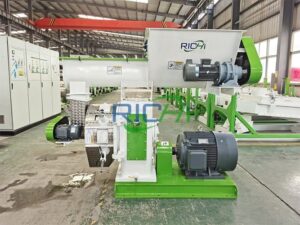
Raw materials must be suitable for processing through machinery such as the fish food pellet making machine.
This machine compresses and shapes ingredients into uniform pellets.
8.1 How Raw Materials Affect Pellet Quality
Good raw materials ensure:
- Strong pellet structure
- Uniform size
- Better water stability
- Improved digestibility
Poor materials result in weak and unstable pellets.
9. Importance of Processing Compatibility
Not all raw materials behave the same during production.
They must be compatible with:
- Grinding systems
- Mixing systems
- Pelletizing equipment
The fish food pellet making machine requires materials with proper moisture and particle size for efficient operation.
10. Moisture Content in Raw Materials
Moisture affects:
- Grinding efficiency
- Mixing quality
- Pellet formation
- Storage stability
Ideal moisture levels ensure smooth production.
11. Particle Size and Its Importance
Fine particle size improves:
- Nutrient absorption
- Pellet durability
- Mixing uniformity
Grinding is a key step before pelletizing.
12. Anti-Nutritional Factors in Raw Materials
Some raw materials contain anti-nutritional compounds.
Examples include:
- Soybean trypsin inhibitors
- Cottonseed gossypol
These must be reduced through processing.
13. Raw Material Selection for Different Fish Species
Different fish require different feed formulations.
13.1 Carnivorous Fish
- Higher fish meal content
- High protein levels
13.2 Herbivorous Fish
- More plant-based ingredients
- Higher carbohydrate content
13.3 Omnivorous Fish
- Balanced mixture of protein and carbohydrates
14. Cost Considerations in Raw Material Selection
Raw materials account for 60–70% of total feed production cost.
Producers must balance:
- Quality
- Availability
- Price
Efficient formulation improves profitability.
15. Role of Fish Food Pellet Making Machine in Production
The fish food pellet making machine is a core component of feed production.
It ensures raw materials are transformed into usable feed pellets.
https://pelletisingmachine.com/aqua-feed-machine
15.1 Machine Functions:
- Compressing materials
- Forming pellets
- Controlling size and density
15.2 Importance in Production Efficiency
It ensures:
- Stable production output
- Uniform pellet quality
- High efficiency
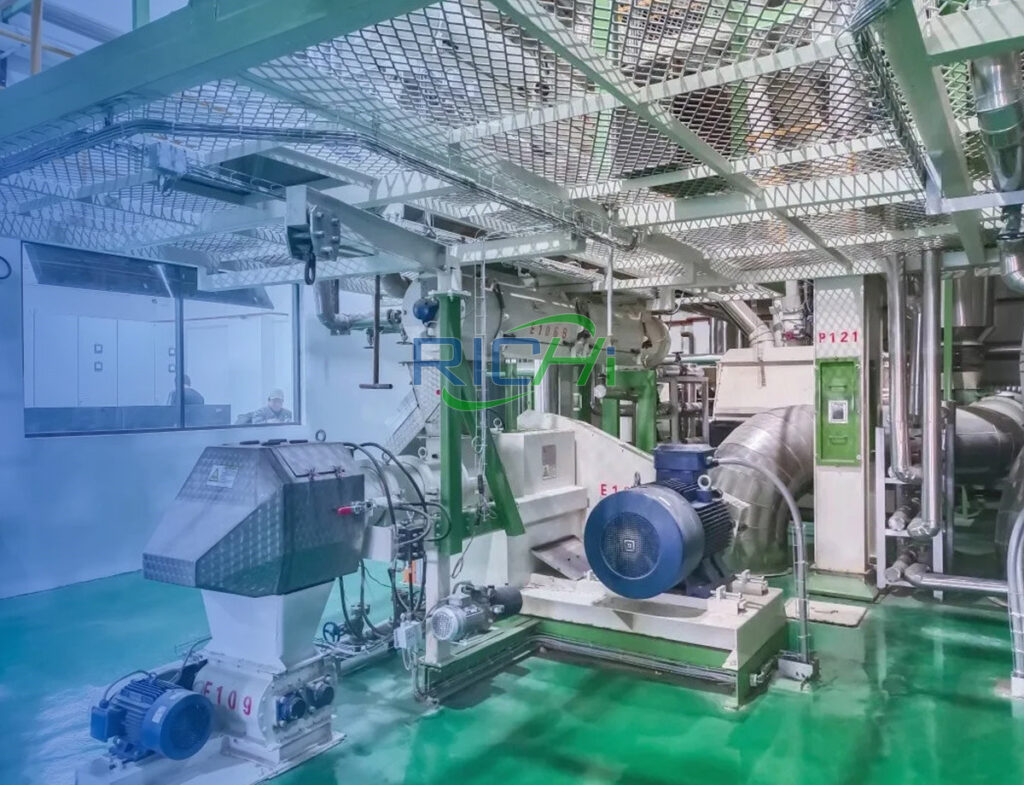
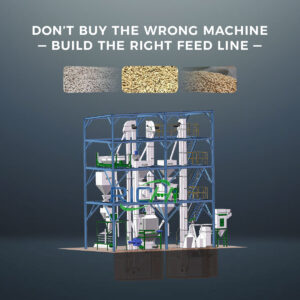
16. Integration with Fish Feed Production Systems
Raw materials are processed through a full system including:
- Grinding
- Mixing
- Conditioning
- Pelletizing
- Drying
- Cooling
- Packaging
The fish food pellet making machine is central to this system.
17. Quality Control in Raw Materials
Quality control ensures feed consistency.
Key checks include:
- Protein content
- Moisture level
- Purity
- Nutritional composition
18. Storage of Raw Materials
Proper storage prevents spoilage.
Requirements:
- Dry environment
- Pest control
- Temperature regulation
19. Environmental Impact of Raw Material Selection
Sustainable raw materials reduce:
- Overfishing (for fish meal)
- Agricultural waste
- Environmental pollution
This supports eco-friendly aquaculture.
20. Future Trends in Raw Material Use
Future developments include:
- Plant-based protein alternatives
- Insect protein meals
- Algae-based ingredients
- Sustainable feed formulations
These innovations will reshape aquaculture feed production.
Conclusion
Selecting the best raw materials is essential for producing high-quality fish feed. Ingredients such as fish meal, soybean meal, corn, wheat, and fish oil all play important roles in creating balanced nutrition for different fish species.
When properly processed through advanced equipment like the fish food pellet machine, these raw materials are transformed into stable, digestible, and efficient feed pellets that improve fish growth and aquaculture productivity.
As the aquaculture industry continues to grow, the importance of high-quality raw materials and efficient feed production systems will only increase, making them the foundation of sustainable and profitable fish farming worldwide.