The renewable energy sector has become one of the fastest-growing industries in the world. As governments strengthen carbon reduction policies and industries seek cleaner fuel alternatives, biomass energy continues to attract significant attention from investors.
Among the various biomass products available today, straw pellets stand out as a particularly attractive opportunity. Produced from agricultural residues such as wheat straw, rice straw, corn stalks, and barley straw, these pellets provide a renewable fuel source while creating value from materials that were once considered waste.
For entrepreneurs, agricultural cooperatives, and industrial investors, the question is no longer whether biomass energy has a future. Instead, many are asking a more practical question: Is investing in a straw pellet plant a smart long-term business decision?
The answer depends on market conditions, project planning, technology selection, and operational management. Understanding these factors is essential before making an investment.
Why Investors Are Paying Attention to Biomass Pellets
Several global trends are driving interest in biomass pellet manufacturing.
Growing Demand for Renewable Energy
Governments worldwide are encouraging industries to reduce fossil fuel consumption. Biomass pellets provide a practical solution because they can often replace coal in industrial heating and power generation applications.
Stable Feedstock Availability
Unlike some biomass resources that depend on forestry operations, straw is produced annually through agricultural activities. This creates a reliable and renewable supply of raw material.
Expanding International Markets
Industrial users, power plants, and commercial heating operators continue increasing their demand for biomass fuel, creating opportunities for both domestic sales and export business.
Environmental Regulations
Many industries face stricter emissions requirements. Biomass fuel can help businesses meet sustainability targets while maintaining operational efficiency.
These factors have contributed to growing interest in pellet production projects across agricultural regions worldwide.
Understanding the Investment Opportunity
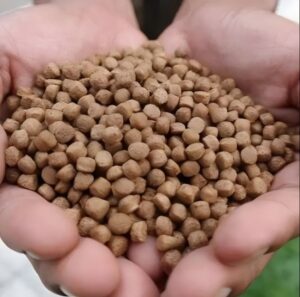
A straw pellet plant transforms low-value agricultural residues into standardized biomass fuel products.
The process creates value by:
- Increasing material density
- Improving transportation efficiency
- Enhancing fuel consistency
- Creating a marketable renewable energy product
The profitability of this transformation depends largely on the relationship between raw material costs and pellet selling prices.
Regions with abundant agricultural production often provide favorable conditions for biomass pellet investment because feedstock costs remain relatively competitive.
The Importance of Feedstock Supply
One of the first questions investors should ask is whether sufficient raw material is available.
Common feedstocks include:
- Wheat straw
- Rice straw
- Corn straw
- Barley straw
- Oat straw
- Sorghum residues
A successful pellet plant requires a stable supply chain capable of supporting production throughout the year.
When evaluating a project, investors should analyze:
Annual Straw Production
How much material is generated within an economically viable transportation radius?
Seasonal Availability
Can sufficient inventory be stored between harvest seasons?
Competing Demand
Are other industries already consuming significant quantities of agricultural residues?
A thorough feedstock assessment helps reduce long-term operational risk.
Choosing the Right Equipment
Equipment selection is one of the most important decisions in any pellet manufacturing project.
Modern pellet production systems typically include:
Raw Material Handling
Equipment for unloading, conveying, and storing biomass materials.
Size Reduction
Hammer mills and shredders prepare material for pelletizing.
Drying Systems
Moisture adjustment helps achieve optimal pellet quality.
Pellet Production
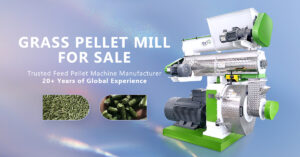
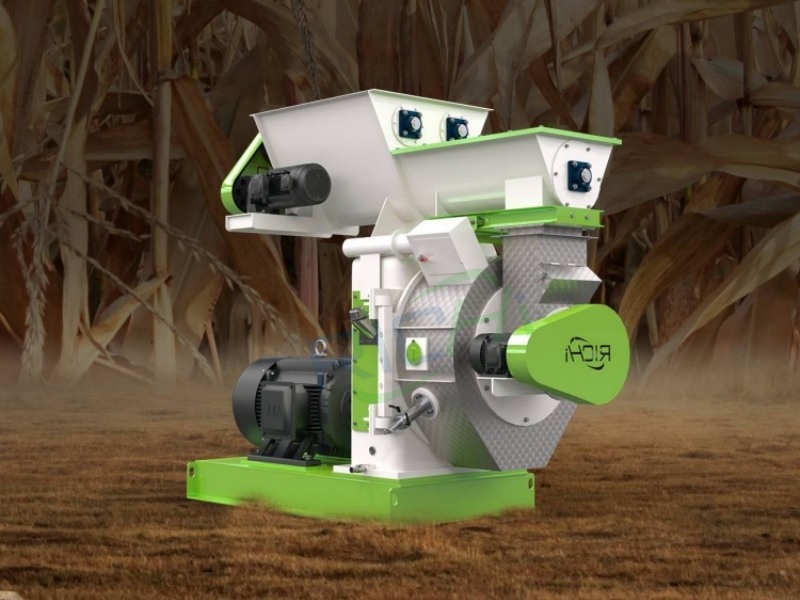
The heart of the facility is the straw pellet mill for sale selected for the project.
A high-performance pellet mill contributes to:
- Higher production efficiency
- Improved pellet durability
- Reduced energy consumption
- Lower maintenance costs
- Consistent product quality
Equipment quality often has a direct impact on long-term profitability.
Selecting the Appropriate Plant Capacity
Plant size should align with both feedstock availability and market demand.
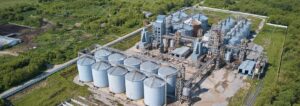
Many investors initially consider a 3-4 T/H straw pellet production line solution because it provides a balance between production capability and capital investment.
This capacity range is often suitable for:
- Regional biomass suppliers
- Agricultural cooperatives
- Independent energy producers
- Commercial fuel distributors
Larger facilities may benefit from economies of scale, but they also require greater feedstock resources and more complex logistics.
Choosing the right scale is often more important than simply building the largest possible plant.
Understanding Revenue Drivers
Several factors influence pellet plant profitability.
Pellet Selling Price
Market demand, fuel prices, and regional energy policies all affect pricing.
Production Efficiency
Higher throughput and lower downtime generally improve financial performance.
Energy Consumption
Electricity costs can represent a significant operating expense.
Maintenance Management
Preventive maintenance helps reduce unexpected interruptions.
Customer Relationships
Long-term supply agreements often provide greater revenue stability.
Successful operators monitor all of these variables closely.
Common Mistakes New Investors Make
Although biomass pellet manufacturing offers attractive opportunities, some projects struggle due to avoidable planning mistakes.
Overestimating Market Demand
Investors should verify customer demand before construction begins.
Underestimating Logistics Costs
Transportation expenses affect both feedstock sourcing and product delivery.
Choosing Equipment Solely on Price
The lowest-cost equipment may not provide the best long-term value.
Ignoring Technical Support
Reliable after-sales service can significantly impact plant performance.
Working with experienced suppliers helps reduce many of these risks.
Why Turnkey Solutions Are Increasingly Popular
Many investors prefer turnkey projects because they simplify implementation.
A complete solution often includes:
- Process design
- Equipment manufacturing
- Installation guidance
- Commissioning support
- Staff training
- Technical service
Companies such as Richi Machinery have helped popularize this approach by offering integrated biomass pellet production solutions tailored to different customer requirements.
Turnkey systems can reduce project complexity and accelerate production startup.
The Role of Sustainability in Future Growth
Environmental considerations are becoming increasingly important in energy markets.
Biomass pellet production contributes to several sustainability objectives.
Waste Reduction
Agricultural residues gain productive economic value.
Renewable Energy Development
Biomass helps diversify energy supplies.
Carbon Reduction
Many industries use biomass fuels to support decarbonization strategies.
Rural Economic Benefits
Pellet plants create employment opportunities while supporting agricultural communities.
These advantages are likely to become even more important as sustainability initiatives expand globally.
Evaluating Long-Term Market Potential
Most forecasts suggest continued growth in biomass demand over the coming decades.
Several factors support this outlook:
- Increasing renewable energy investment
- Stronger climate policies
- Industrial fuel diversification
- Energy security concerns
- Growing interest in circular economy solutions
While market conditions may fluctuate, the underlying drivers supporting biomass demand remain strong.
Investors who conduct thorough planning and implement efficient operations may be well positioned to benefit from these long-term trends.
For those researching project opportunities and technology options, it is often useful to try this web-site to compare production approaches, equipment configurations, and industry case studies.
Key Questions Before Investing
Before launching a pellet production project, investors should carefully evaluate:
- Is sufficient feedstock available?
- What is the target customer market?
- What production capacity is appropriate?
- How competitive are local energy markets?
- What logistics infrastructure is available?
- Which equipment supplier offers reliable support?
Answering these questions early can improve project outcomes and reduce investment risk.
Conclusion
A straw pellet plant can be a highly attractive long-term investment when supported by reliable feedstock supplies, strong market demand, efficient technology, and sound business planning.
As industries continue transitioning toward renewable energy solutions, biomass pellets are expected to play an increasingly important role in global energy systems.
For investors seeking opportunities that combine profitability, sustainability, and long-term growth potential, straw pellet manufacturing deserves serious consideration. With the right strategy and equipment, agricultural residues can become the foundation of a successful renewable energy business.
(Related Post: https://www.richipelletmill.com/straw-pellet-plant/)