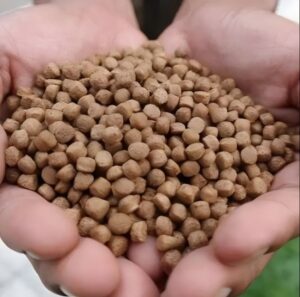
The biomass energy sector has become one of the most dynamic areas of renewable energy development in the United Kingdom. While solar and wind energy often receive the most public attention, biomass remains a practical and scalable solution for businesses seeking reliable energy alternatives. Among the many biomass products available today, wood pellets have established themselves as a leading fuel source due to their efficiency, ease of transportation, and compatibility with a wide range of heating systems.
Over the last decade, growing environmental awareness and rising energy costs have encouraged more businesses to examine pellet production opportunities. Wood processing companies, forestry contractors, agricultural enterprises, and independent energy investors are increasingly exploring ways to convert low-value biomass residues into commercially valuable fuel products.
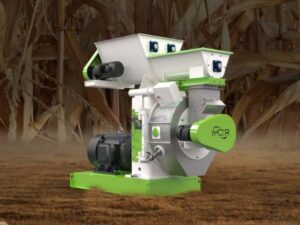
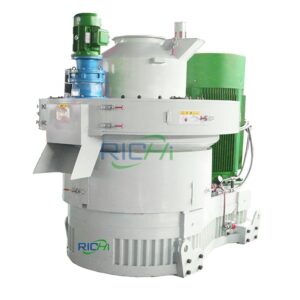
For many companies entering the industry, the first step involves evaluating a suitable wood pellet machine for sale uk that can support their expected production goals while delivering stable long-term performance.
The Expanding Role of Biomass in the UK Energy Market
Britain continues to pursue ambitious sustainability targets. As industries search for practical methods of reducing carbon emissions, biomass energy remains an attractive option because it can utilize existing resources while supporting local supply chains.
Unlike fossil fuels, biomass pellets can be produced from renewable raw materials. Forestry residues, sawmill by-products, and wood processing waste can all become valuable energy products when processed correctly.
Key advantages include:
- Renewable resource utilization
- Reduced waste disposal requirements
- Lower transportation costs compared with loose biomass
- Improved combustion efficiency
- Consistent fuel characteristics
- Strong market demand across multiple sectors
As a result, pellet manufacturing has evolved from a niche activity into a significant industrial opportunity.
Understanding the Value of Wood Residues
Every year, substantial volumes of wood waste are generated through forestry and timber processing activities.
Common sources include:
- Sawdust
- Wood chips
- Bark residues
- Furniture manufacturing waste
- Pallet recycling materials
- Forestry thinning operations
Historically, many of these materials had limited economic value. Today, pellet manufacturing allows businesses to transform these residues into standardized fuel products suitable for domestic and industrial applications.
This value-added approach helps maximize resource efficiency while creating new income opportunities.
Why Pellet Quality Matters
Not all pellets perform equally.
Customers increasingly expect products that deliver:
- Consistent heating performance
- Low ash content
- High durability
- Stable moisture levels
- Reliable storage characteristics
Poor-quality pellets can create operational problems for end users, including increased maintenance requirements and reduced combustion efficiency.
Consequently, successful producers place significant emphasis on quality control throughout the manufacturing process.
Raw material preparation, moisture management, pelletizing conditions, cooling procedures, and storage practices all contribute to final product quality.
The Modern Pellet Production Process
Producing premium wood pellets requires more than simply compressing biomass materials.
A complete manufacturing operation generally includes several interconnected stages.
Raw Material Collection
Production begins with the acquisition and storage of suitable biomass feedstocks.
Size Reduction
Materials must be processed into consistent particle sizes before pelletizing.
Hammer mills are commonly used to achieve the desired particle dimensions.
Moisture Adjustment
Maintaining proper moisture content is essential for efficient pellet formation.
Excessive moisture can reduce pellet strength, while insufficient moisture may decrease production efficiency.
Pellet Formation
During pelletization, prepared biomass is compressed through a die to create dense cylindrical pellets.
Cooling and Stabilization
Fresh pellets emerge from the pellet mill at elevated temperatures.
Cooling improves durability and stabilizes product quality.
Screening and Packaging
Finished pellets are screened to remove fines before being packaged or stored for shipment.
Facilities that effectively manage each stage of the process generally achieve better operating results and higher customer satisfaction.
Technology Is Transforming Pellet Manufacturing
Modern pellet facilities differ significantly from earlier generations of equipment.
Advances in automation, mechanical design, and process control have improved both efficiency and reliability.
Examples include:
Variable Frequency Control
Adjustable feeding systems help maintain stable production conditions.
Automated Monitoring
Sensors continuously track critical operating parameters.
Enhanced Wear Resistance
Improved materials extend component service life.
Energy-Efficient Drive Systems
Modern motors and transmission systems reduce electricity consumption.
These innovations help producers lower operating costs while maintaining consistent product quality.
For facilities handling biomass residues from farming operations, a specialized straw pellet machine for sale may offer an effective solution for processing agricultural materials into marketable fuel pellets.
Economic Drivers Behind Industry Growth
Several economic factors continue to support investment in pellet manufacturing.
Waste Utilization
Many biomass feedstocks are available at relatively low cost.
Market Stability
Demand for heating fuels remains consistent across many regions.
Export Opportunities
High-quality pellets can access both domestic and international markets.
Long-Term Demand Trends
Sustainability initiatives continue encouraging renewable energy adoption.
Together, these factors create favorable conditions for well-planned pellet production projects.
The Importance of Capacity Planning
Selecting the correct production capacity is a critical decision.
Equipment that is too small may limit future growth opportunities.
Equipment that is too large can increase capital investment and operating expenses unnecessarily.
Factors influencing capacity selection include:
- Raw material availability
- Target market size
- Budget considerations
- Expansion plans
- Labour resources
- Utility infrastructure
Careful analysis helps ensure that production systems align with business objectives.
Automation and Labour Efficiency
Labour costs represent an important consideration for many manufacturers.
Modern facilities increasingly utilize automation to improve efficiency and reduce operational complexity.
Automated systems can manage:
- Material conveying
- Feeding operations
- Cooling control
- Packaging activities
- Production reporting
In addition to reducing labour requirements, automation often improves consistency and process stability.
A fully integrated pellet machine for sale solution can incorporate these technologies to support efficient long-term operation.
Environmental Advantages Beyond Energy Production
The benefits of pellet manufacturing extend beyond renewable fuel generation.
Improved Waste Management
Biomass residues are transformed into valuable products rather than discarded.
Reduced Landfill Pressure
Less organic material enters waste disposal systems.
Enhanced Resource Efficiency
Existing resources are utilized more effectively.
Support for Circular Economy Principles
Waste materials are reintroduced into productive economic activity.
These advantages continue to strengthen the appeal of biomass pellet projects across multiple industries.
Challenges Producers Must Address
While opportunities are substantial, successful operations require careful management.
Feedstock Variability
Biomass characteristics can change throughout the year.
Equipment Maintenance
Preventive maintenance is essential for reliable operation.
Market Competition
Producers must differentiate themselves through quality and service.
Energy Costs
Efficient equipment selection remains important for controlling expenses.
Companies that proactively address these challenges are often better positioned for long-term success.
Emerging Trends in Pellet Production
The pellet industry continues evolving in response to technological and market developments.
Key trends include:
Digital Manufacturing
Data-driven management tools are becoming increasingly common.
Advanced Process Optimization
Artificial intelligence and predictive analytics are beginning to influence operational decision-making.
Diversified Biomass Sources
Producers are exploring alternative feedstocks beyond traditional wood residues.
Greater Sustainability Transparency
Customers increasingly seek information regarding environmental performance.
These developments are expected to shape industry growth throughout the coming decade.
Selecting a Reliable Equipment Supplier
Equipment suppliers play a vital role in project success.
Important evaluation criteria include:
- Manufacturing experience
- Engineering expertise
- Project references
- Technical support capabilities
- Spare parts availability
- Training programs
Many investors compare multiple equipment providers before selecting a solution such as a pellet mill, particularly when planning facilities designed for continuous commercial production.
Conclusion
Wood pellet manufacturing continues to attract attention from investors seeking practical opportunities within the renewable energy sector. The combination of growing demand, abundant raw materials, and advancing technology has created favorable conditions for industry expansion.
Success depends on more than simply purchasing equipment. Careful planning, quality control, operational efficiency, and market understanding all contribute to long-term profitability.
As Britain continues pursuing sustainable energy objectives, biomass pellet production is expected to remain an important part of the country’s renewable energy landscape. For additional industry insights and technical resources, readers can visit our blog here to explore the latest developments in pellet manufacturing technology and production strategies.
Related Post:https://pelletizerequipment.com/wood-chip-pellet-machine/