Introduction: The Importance of Selecting the Right Aquatic Feed Production Solution
The global aquaculture industry is expanding rapidly due to increasing demand for fish, shrimp, and other aquatic products. As fish farming becomes more commercialized and intensive, the need for efficient, reliable, and high-quality aquatic feed production solutions continues to grow.
Feed is one of the most important factors determining the success of aquaculture operations. A well-designed feed production system can help manufacturers produce nutritionally balanced feed, improve production efficiency, reduce operating costs, and meet the changing requirements of different markets.
However, choosing the right aquatic feed production solution is not always simple. Different businesses have different goals, production capacities, raw materials, product requirements, and investment budgets. A small feed producer may need a flexible and cost-effective system, while a large commercial factory may require a fully automated production line with high output capacity.
Modern aquatic feed production solutions typically include raw material handling systems, grinding equipment, mixing systems, extrusion machines, drying and cooling units, screening equipment, and packaging systems. Among these components, extrusion equipment plays a particularly important role because it determines the quality, shape, density, and floating performance of aquatic feed pellets.
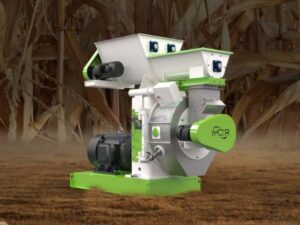
For many feed manufacturers, a single screw floating feed extruder provides an efficient and practical solution for producing floating fish feed. It offers reliable operation, flexible production capability, and good pellet quality, making it suitable for various aquatic feed applications.
Selecting the right aquatic feed production solution requires a comprehensive evaluation of production needs, equipment performance, and long-term business objectives.
Understanding Your Aquatic Feed Production Requirements
Before choosing any production solution, businesses should first understand their own production requirements.
A suitable feed production system should match:
- Target production capacity
- Feed types
- Raw materials
- Customer requirements
- Investment plans
Without a clear understanding of these factors, businesses may invest in equipment that is either insufficient or unnecessarily expensive.
Determine Production Capacity
Production capacity is one of the most important factors when selecting equipment.
Small-scale producers may require:
- Lower investment costs
- Flexible operation
- Simple maintenance
Large commercial feed manufacturers usually need:
- Continuous production
- High automation
- Large output capacity
- Stable operation
The production capacity determines the size and configuration of the entire production line.
Identify Feed Products
Different aquatic species require different feed characteristics.
Common aquatic feed products include:
- Floating fish feed
- Shrimp feed
- Sinking feed
- Specialty aquatic feed
Each product may require different processing technologies and equipment configurations.
Analyze Market Demand
Understanding customer needs helps determine the most suitable production solution.
Important questions include:
- Which aquatic species are commonly farmed?
- What pellet sizes are required?
- What nutritional levels are expected?
- Is floating feed or sinking feed more popular?
Market analysis ensures that the production system can create products with strong commercial value.
Choosing the Right Extrusion Technology
Extrusion is the core process in modern aquatic feed production. It determines the final quality and performance of feed pellets.
During extrusion, raw materials are processed under controlled:
- Temperature
- Moisture
- Pressure
- Mechanical forces
This process improves:
- Digestibility
- Pellet durability
- Water stability
- Floating ability
Choosing the right extruder is essential for achieving consistent feed quality.
Single Screw Floating Feed Extruder: A Practical Solution for Many Feed Producers
A single screw floating feed extruder is one of the commonly used solutions for producing floating aquatic feed.
This type of extruder uses a single screw mechanism to compress and process feed materials. It is widely adopted because of its simple structure, reliable performance, and convenient operation.
https://richipelletizer.com/floating-fish-feed-extruder-machine
The advantages of a single screw floating feed extruder include:
Simple Operation and Maintenance
Compared with more complex extrusion systems, single screw equipment generally has a simpler design, making operation and maintenance easier.
This is beneficial for:
- Small and medium feed factories
- New investors entering the aquatic feed industry
- Businesses requiring straightforward production systems
Stable Floating Pellet Production
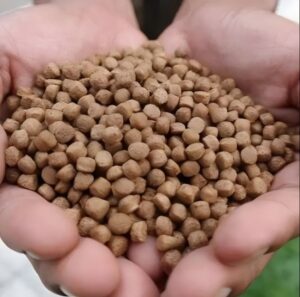
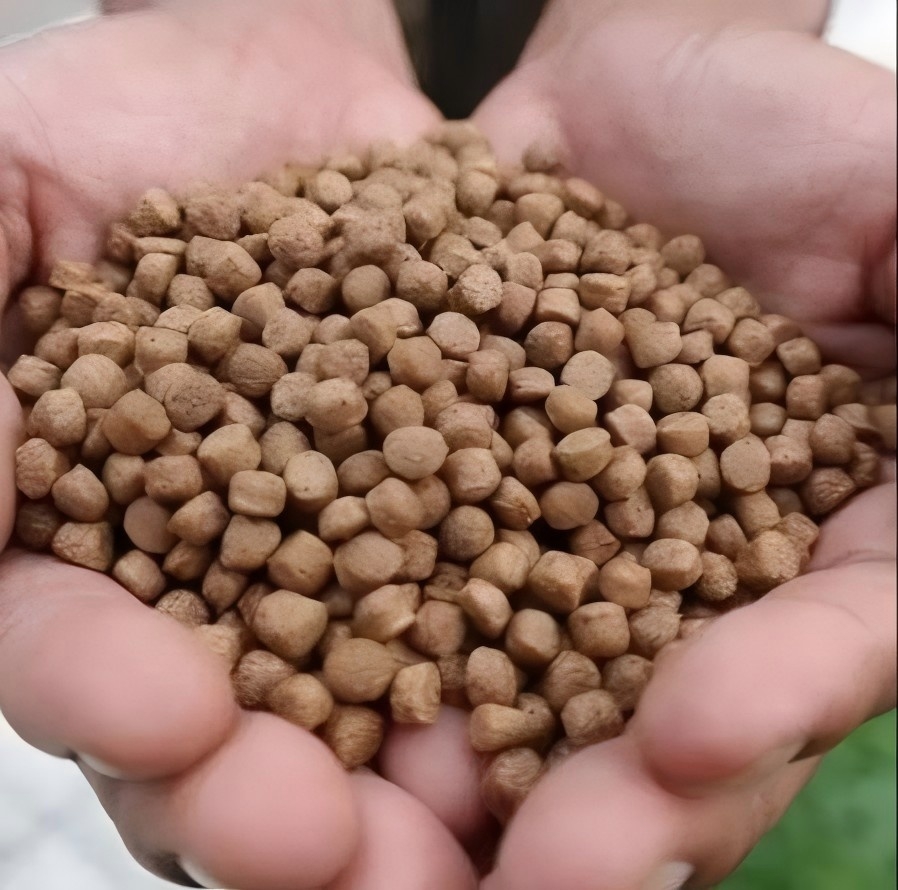
A properly configured single screw extruder can produce floating pellets with:
- Uniform shape
- Good expansion
- Stable floating performance
This allows farmers to manage feeding more effectively.
Lower Investment Requirements
For businesses with limited initial budgets, a single screw system can provide a cost-effective way to enter aquatic feed production.
It allows manufacturers to produce competitive feed products without requiring extremely high capital investment.
Flexible Production Options
By adjusting:
- Die design
- Moisture level
- Processing parameters
Manufacturers can produce different pellet sizes and feed types.
For many growing feed businesses, a single screw floating feed extruder offers a balance between investment cost and production performance.
Evaluating Raw Material Compatibility
Another important factor when selecting an aquatic feed production solution is raw material compatibility.
Different feed formulas may contain:
- Fish meal
- Soybean meal
- Wheat flour
- Corn products
- Vegetable proteins
- Oils and additives
The production system must be capable of processing these ingredients effectively.
Important considerations include:
Ingredient Characteristics
Different ingredients have different:
- Moisture content
- Fiber levels
- Protein characteristics
The equipment should handle these variations efficiently.
Formula Flexibility
A good production solution should allow manufacturers to adjust formulas according to market requirements.
For example:
- Higher-protein feed for carnivorous fish
- Plant-based formulas for cost optimization
- Specialty formulas for different growth stages
Flexible equipment improves business adaptability.
Considering Production Automation Level
Automation has become increasingly important in modern aquatic feed production.
The right level of automation depends on business scale and operational goals.
Manual or Semi-Automatic Systems
Suitable for:
- Small production facilities
- Limited investment budgets
- Flexible production needs
Advantages include:
- Lower initial investment
- Easier operation
- Simple management
Fully Automatic Production Lines
Suitable for:
- Large commercial factories
- High-volume production
- Businesses requiring consistent output
Advantages include:
- Reduced labor requirements
- Higher production accuracy
- Better quality control
- Improved efficiency
When choosing a solution, manufacturers should balance automation investment with expected production benefits.
Improving Feed Quality Through Proper Production Configuration
A complete aquatic feed production solution includes more than an extruder. Each component affects final product quality.
Important equipment includes:
Crushing System
Proper grinding improves:
- Ingredient mixing
- Nutrient utilization
- Extrusion performance
Mixing System
Uniform mixing ensures each pellet contains balanced nutrition.
Extrusion System
The extruder determines:
- Pellet structure
- Floating ability
- Digestibility
Drying System
Drying reduces moisture content and improves storage stability.
Cooling and Packaging Systems
These protect feed quality during storage and transportation.
A well-designed production line ensures that every process works together efficiently.
Selecting Equipment Based on Production Scale
Different business scales require different solutions.
Small Aquatic Feed Production Projects
Small producers often focus on:
- Low investment
- Easy operation
- Flexible production
A compact production system with a single screw floating feed extruder may be suitable for these applications.
Medium-Scale Feed Factories
Medium producers require:
- Higher capacity
- Better automation
- Stable product quality
They may need integrated systems with improved material handling and production monitoring.
Large Commercial Feed Plants
Large factories usually require:
- High output capacity
- Fully automated systems
- Advanced quality control
These operations often use complete turnkey production solutions.
Choosing equipment according to production scale prevents unnecessary investment and improves economic efficiency.
(click to investigate: Richi Machinery)
Considering Energy Efficiency and Operating Costs
Long-term operating costs are just as important as initial equipment investment.
A good aquatic feed production solution should help reduce:
- Energy consumption
- Labor costs
- Maintenance expenses
- Material waste
Important considerations include:
Motor Efficiency
Efficient motors reduce electricity consumption.
Equipment Reliability
Durable machines reduce downtime and repair costs.
Process Optimization
Proper system design improves overall production efficiency.
A lower-cost machine is not always the most economical choice. Businesses should evaluate total ownership costs over the equipment lifespan.
Importance of Equipment Reliability and Technical Support
Aquatic feed production requires continuous operation. Equipment downtime can cause production delays and financial losses.
Therefore, manufacturers should consider:
- Equipment quality
- Spare parts availability
- Technical support
- Installation services
- Operator training
A reliable supplier can provide assistance throughout the equipment lifecycle.
Professional technical support helps ensure:
- Smooth installation
- Efficient operation
- Faster problem solving
- Long-term production stability
Customizing Solutions for Different Aquaculture Markets
Aquatic feed markets vary significantly between regions.
Different areas may have different:
- Fish species
- Farming methods
- Raw materials
- Feed preferences
A customized production solution allows manufacturers to better serve local markets.
Customization may include:
- Equipment selection
- Production capacity design
- Pellet size requirements
- Formula adjustments
For example, a producer targeting tropical fish farming may require different feed characteristics compared with a manufacturer serving cold-water species.
A flexible production solution creates stronger market competitiveness.
(Learn more about customized floating fish feed plant)
The Role of Quality Control in Aquatic Feed Production
Quality control is essential for maintaining customer satisfaction and building a strong brand reputation.
A professional aquatic feed production system should monitor:
Raw Materials
Testing ensures ingredient safety and consistency.
Production Process
Parameters such as moisture, temperature, and pressure must be controlled.
Finished Pellets
Important evaluations include:
- Pellet size
- Floating time
- Water stability
- Nutritional content
Consistent quality helps manufacturers develop long-term relationships with customers.
Future Trends in Aquatic Feed Production Solutions
The future of aquatic feed manufacturing will focus on greater efficiency, intelligence, and sustainability.
Major trends include:
Smart Production Systems
Digital monitoring and automation will improve production management.
Sustainable Ingredients
Manufacturers will increasingly use environmentally friendly raw materials.
Advanced Extrusion Technology
Improved extruders will provide better control over pellet performance.
Customized Feed Manufacturing
More businesses will require specialized feed solutions.
Companies that adopt modern production technologies will be better prepared for future market growth.
Conclusion: Choosing the Right Solution Creates Long-Term Success
Choosing the right aquatic feed production solution requires careful consideration of production goals, market requirements, equipment performance, and future development plans.
A successful system should provide:
- Stable production
- High-quality feed pellets
- Efficient operation
- Reasonable investment costs
- Long-term reliability
For many feed producers, a single screw floating feed extruder offers an effective balance between performance, flexibility, and investment requirements. It can help manufacturers produce floating aquatic feed with reliable quality while supporting efficient production.
As the aquaculture industry continues to expand, businesses that select suitable equipment, optimize production processes, and focus on feed quality will gain stronger advantages in the competitive global market. A well-designed aquatic feed production solution is not only an investment in equipment but also an investment in long-term business growth.