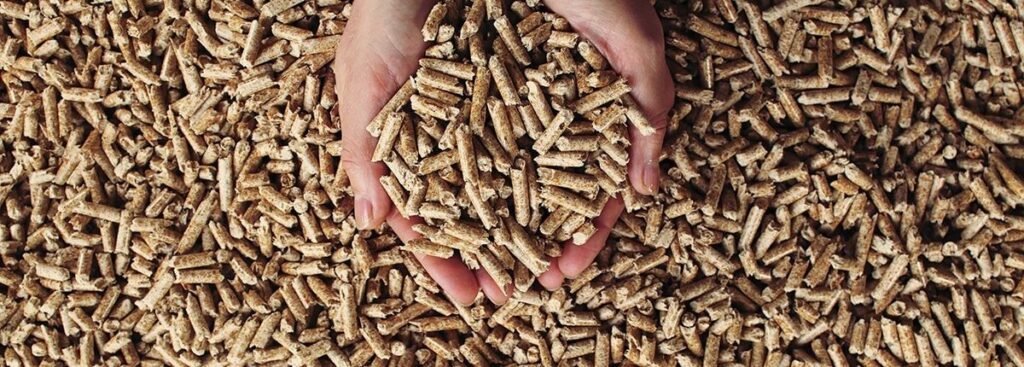
Biomass pellets have become an increasingly important renewable fuel source in recent years. Produced from materials such as wood residues, agricultural waste, forestry by-products, and energy crops, biomass pellets are widely used for residential heating, industrial boilers, and power generation. As the demand for biomass energy continues to grow, pellet quality has become a major concern for both producers and end users.
High-quality biomass pellets offer numerous advantages, including higher energy density, improved combustion efficiency, reduced dust generation, easier transportation, and lower storage losses. Poor-quality pellets, on the other hand, can lead to equipment problems, increased fuel consumption, and reduced customer satisfaction.
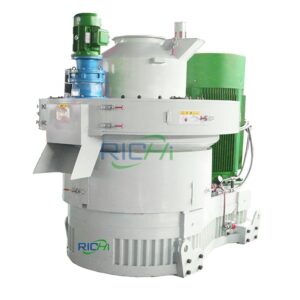
Producing premium biomass pellets requires careful control of multiple factors throughout the production process. From raw material selection to equipment maintenance, every stage can influence the final product. Even the choice of equipment supplier, such as an experienced vertica pellet machine manufacturer, can have a significant impact on pellet consistency and production performance.
This article explores the key factors that affect biomass pellet quality and provides insights into how manufacturers can achieve superior results.
Understanding Biomass Pellet Quality
Before discussing influencing factors, it is important to understand how pellet quality is evaluated.
Several characteristics are commonly used to assess biomass pellets:
- Pellet durability
- Bulk density
- Moisture content
- Ash content
- Calorific value
- Mechanical strength
- Pellet size consistency
- Dust content
- Combustion performance
High-quality pellets should be durable enough to withstand transportation and handling while maintaining efficient combustion characteristics.
Achieving these standards requires careful attention to every aspect of production.
Raw Material Selection
The most important factor affecting pellet quality is the raw material itself.
Different biomass materials possess unique physical and chemical characteristics that influence pellet formation.
Common biomass feedstocks include:
- Sawdust
- Wood chips
- Rice husks
- Wheat straw
- Corn stalks
- Sugarcane bagasse
- Palm fiber
- Bamboo
- Forestry residues
Each material has different levels of:
- Lignin
- Cellulose
- Moisture
- Ash
- Fiber content
These differences directly impact pellet quality.
Lignin Content
Lignin plays a crucial role in biomass pellet production.
It acts as a natural binder during pelletizing. When exposed to heat and pressure, lignin softens and helps hold biomass particles together.
Materials with higher lignin content generally produce:
- Stronger pellets
- Better durability
- Lower dust generation
- Improved resistance to breakage
Wood residues often contain more lignin than many agricultural materials, which is one reason wood pellets are highly valued in the biomass market.
Moisture Content
Moisture content is one of the most critical variables in pellet production.
If moisture levels are too high:
- Pellet density decreases
- Production efficiency declines
- Pellets may crack during cooling
- Storage stability is reduced
If moisture levels are too low:
- Binding becomes difficult
- Pellet durability decreases
- Dust formation increases
For most biomass materials, the optimal moisture range before pelletizing is approximately 10% to 15%.
Maintaining proper moisture levels ensures effective compression and strong pellet formation.
Particle Size
Raw material particle size significantly influences pellet quality.
Large particles can cause:
- Poor compression
- Uneven pellet structure
- Increased equipment wear
Extremely fine particles may result in:
- Excessive dust
- Higher energy consumption
- Reduced process efficiency
Uniform particle size promotes:
- Better material flow
- Consistent compression
- Higher pellet density
- Improved durability
Proper grinding and screening are therefore essential parts of biomass pellet production.
Feedstock Uniformity
Consistent raw material composition helps ensure stable pellet quality.
Variations in feedstock characteristics can cause fluctuations in:
- Pellet density
- Moisture levels
- Durability
- Combustion properties
Manufacturers often blend raw materials to maintain consistent feedstock quality throughout the production process.
Uniform feedstock contributes to more predictable pellet performance and higher customer satisfaction.
Drying Efficiency
Drying is a critical stage in biomass pellet production.
The purpose of drying is to reduce moisture content to the optimal level for pelletizing.
Poor drying can lead to:
- Inconsistent pellet quality
- Lower production capacity
- Increased energy consumption
Advanced drying systems improve moisture control and contribute significantly to the production of premium-quality pellets.
Proper drying also helps reduce storage-related problems and microbial growth.
Pellet Mill Performance
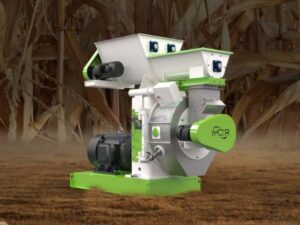
The pellet mill itself has a major influence on pellet quality.
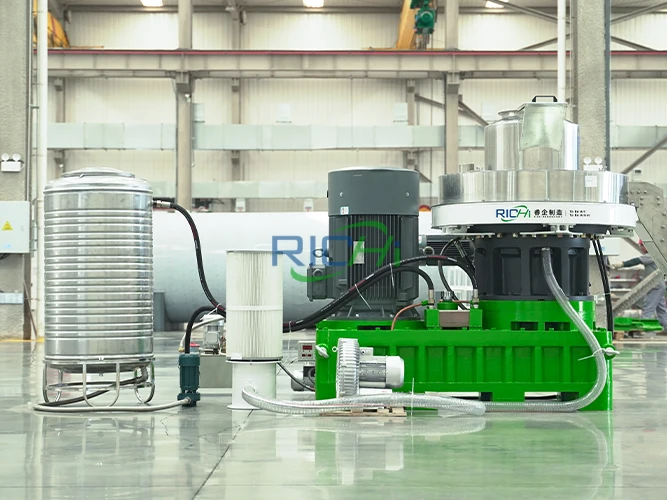
The machine must provide sufficient pressure and temperature to compress biomass particles into durable pellets.
Important machine factors include:
- Compression force
- Feeding consistency
- Temperature control
- Mechanical stability
Reliable equipment helps maintain uniform pellet dimensions and consistent product quality.
Many producers choose equipment from an experienced vertica pellet machine manufacturer to ensure stable operation and long-term performance.
https://pelletisingmachine.com/vertical-biomass-pellet-mill
Die Design and Quality
The pellet die is one of the most important components affecting pellet quality.
Several die characteristics influence pellet formation:
Hole Diameter
The diameter determines pellet size and affects compression behavior.
Compression Ratio
Compression ratio influences:
- Pellet density
- Durability
- Energy consumption
Die Material
High-quality die materials provide:
- Longer service life
- Better wear resistance
- More consistent pellet production
Selecting the correct die design for specific biomass materials is essential for achieving optimal results.
Roller Condition
Rollers work together with the die to compress biomass into pellets.
Worn or improperly adjusted rollers can cause:
- Uneven pellet density
- Increased fines
- Reduced production efficiency
Routine roller inspection and maintenance help ensure consistent pellet quality.
Proper roller adjustment also minimizes energy consumption and equipment wear.
Pelletizing Temperature
Temperature affects the behavior of lignin during pellet formation.
As biomass passes through the die, friction generates heat.
Appropriate temperatures help:
- Soften lignin
- Improve particle bonding
- Increase pellet durability
Excessive temperatures may cause:
- Material degradation
- Die blockage
- Reduced pellet quality
Insufficient temperatures can result in weak pellets that easily break apart.
Careful temperature control is therefore essential.
Feeding System Stability
A stable feeding system contributes significantly to pellet quality.
Inconsistent feeding can create:
- Density variations
- Uneven pellet length
- Production interruptions
Automated feeding systems help maintain a constant material supply and improve process stability.
Consistent feeding allows the pellet mill to operate under optimal conditions.
Pellet Cooling Process
Freshly produced pellets exit the pellet mill at elevated temperatures and moisture levels.
Cooling serves several important functions:
- Hardens pellets
- Removes excess heat
- Reduces moisture
- Improves durability
Improper cooling can lead to:
- Pellet cracking
- Excessive fines
- Storage problems
Efficient cooling systems are necessary for producing high-quality pellets suitable for transportation and long-term storage.
Screening and Pellet Cleaning
After cooling, pellets typically pass through screening systems.
Screening removes:
- Dust
- Fines
- Broken pellets
Clean pellets offer several advantages:
- Better appearance
- Reduced handling losses
- Improved customer satisfaction
- Enhanced combustion performance
Effective screening helps maintain product quality standards.
Ash Content
Ash content affects both pellet quality and end-user experience.
High ash levels can cause:
- Increased maintenance requirements
- More frequent ash removal
- Reduced combustion efficiency
Wood-based materials generally produce lower ash content than many agricultural residues.
Manufacturers seeking premium pellets often prioritize low-ash feedstocks whenever possible.
Bulk Density
Bulk density measures the weight of pellets within a given volume.
Higher bulk density provides:
- Improved transportation efficiency
- Better storage utilization
- Higher energy density
Several factors influence bulk density, including:
- Raw material characteristics
- Compression ratio
- Moisture content
- Pellet mill settings
Producing dense pellets improves both economic value and customer satisfaction.
Durability and Mechanical Strength
Durability is one of the most important indicators of pellet quality.
Durable pellets resist:
- Breakage
- Abrasion
- Dust formation
Factors affecting durability include:
- Lignin content
- Moisture levels
- Compression ratio
- Cooling effectiveness
Strong pellets maintain their integrity throughout transportation, storage, and handling.
High durability is often a key requirement in commercial biomass markets.
Equipment Maintenance
Regular equipment maintenance plays a vital role in maintaining pellet quality.
Poorly maintained machinery may cause:
- Inconsistent pellet dimensions
- Increased fines
- Production inefficiencies
Maintenance activities should include:
- Die inspection
- Roller servicing
- Bearing lubrication
- Belt adjustment
- Cleaning procedures
Many successful pellet producers partner with a reputable vertica pellet machine manufacturer that provides technical support and spare parts to ensure long-term equipment performance.
Operator Skill and Training
Even advanced equipment requires skilled operators.
Experienced operators can:
- Adjust machine settings effectively
- Identify production issues early
- Optimize process conditions
- Maintain consistent quality
Regular training programs help improve operational efficiency and product consistency.
Human expertise remains an important factor in successful pellet production.
Quality Control Procedures
Comprehensive quality control programs help ensure consistent pellet quality.
Routine testing may include:
- Moisture analysis
- Density measurements
- Durability testing
- Ash content evaluation
- Calorific value assessment
Quality monitoring allows manufacturers to identify problems quickly and make corrective adjustments.
Strong quality control systems contribute to higher customer confidence and market competitiveness.
Storage Conditions
Even well-manufactured pellets can lose quality if stored improperly.
Exposure to moisture can cause:
- Swelling
- Disintegration
- Mold growth
- Reduced heating value
Proper storage practices include:
- Dry environments
- Adequate ventilation
- Moisture protection
- Clean storage facilities
Maintaining favorable storage conditions helps preserve pellet quality throughout the supply chain.
Transportation and Handling
Transportation methods also affect pellet quality.
Rough handling may cause:
- Pellet breakage
- Dust generation
- Product losses
High-quality pellets with strong durability perform better during transportation.
Proper packaging and handling procedures further reduce damage.
The Role of Equipment Manufacturers
Equipment quality has a direct impact on pellet production results.
An experienced vertica pellet machine manufacturer can provide:
- Advanced machine designs
- Reliable production performance
- Technical support
- Customized solutions
- Efficient spare parts service
Selecting the right equipment supplier helps manufacturers maintain stable production and achieve consistent pellet quality over time.
Future Trends in Biomass Pellet Quality Improvement
The biomass pellet industry continues to evolve.
Future developments may include:
- Smart process monitoring
- Artificial intelligence optimization
- Advanced die materials
- Automated quality control systems
- Improved feedstock preprocessing
These innovations will help producers achieve higher quality standards while improving operational efficiency.
As biomass energy markets continue to expand, quality requirements are likely to become even more stringent.
Conclusion
Biomass pellet quality is influenced by numerous factors, including raw material characteristics, moisture content, particle size, pellet mill performance, die design, cooling efficiency, equipment maintenance, and storage conditions. Each stage of the production process plays an important role in determining the final product’s durability, density, combustion efficiency, and overall value.
Manufacturers who carefully manage these variables can consistently produce high-quality biomass pellets that meet market expectations and maximize profitability. Investing in reliable equipment and working with an experienced vertica pellet machine manufacturer can further improve production consistency and operational performance.
As demand for renewable energy continues to grow worldwide, maintaining high pellet quality will remain a critical factor for success in the increasingly competitive biomass pellet industry.