Introduction: The Wood Pellet Biomass Opportunity
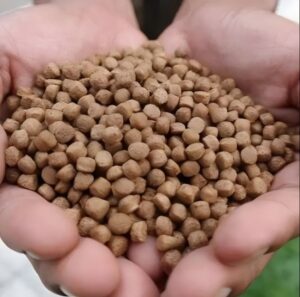
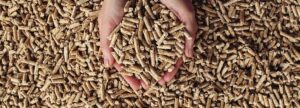
Wood pellet biomass has become one of the most traded forms of renewable solid fuel in the world, with global demand exceeding 30 million tonnes annually and growing. Sawmill residues, forest thinnings, wood chips, and even demolition timber can all be converted into premium pellets that meet international quality standards.
For investors, landowners, and wood processing companies, establishing a wood pellet biomass operation represents an opportunity to monetize waste streams, enter the renewable energy market, and build a recurring revenue business. The key to profitability lies in designing the right wood pellet production line from the outset.
Feedstock Assessment for Wood Pellet Biomass Production
A thorough feedstock assessment is the essential first step before any capital investment. Wood pellet biomass quality depends heavily on species composition, moisture content, bark content, and ash levels of the raw material. Softwoods (pine, spruce, fir) are generally preferred for premium pellet grades due to their higher lignin content, which acts as a natural binder.
Hardwood feedstocks can also be processed but may require steam conditioning during pelletization. Mixed feedstocks are common in practice and can yield high-quality pellets if properly blended and controlled throughout the production process.
Designing the Wood Pellet Production Line
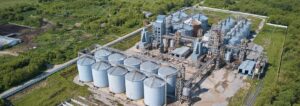
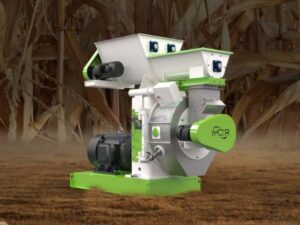
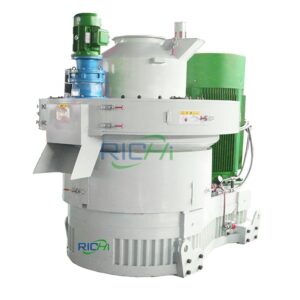
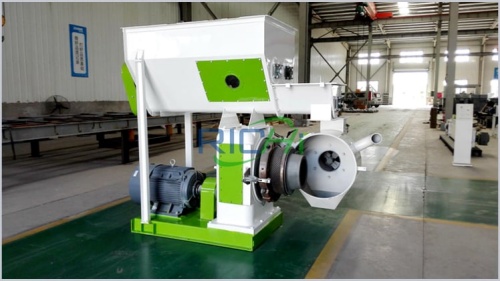
A complete wood pellet production line includes raw material reception and storage, chipping, drying (rotary drum or belt dryer), hammer milling, pellet pressing, cooling, screening, and bulk or bagged dispatch. Each stage must be sized to match the target output while incorporating sufficient buffer storage to maintain continuous operation even during maintenance windows.
Modern production lines are increasingly equipped with real-time monitoring systems that track energy consumption, throughput, and product quality parameters. This data enables predictive maintenance, reduces unplanned downtime, and helps operators identify process inefficiencies before they impact profitability.
Optimizing Your Pellet Line for Maximum Efficiency
Within the wood pellet production line, the pellet line — the sequence running from conditioner through press, cooler, and screener — is where most of the operating cost and production variability originates. Optimizing die selection, roller gap settings, and conditioning temperature for your specific feedstock can improve pellet quality and reduce energy consumption by 10–20%.
Expert Resources: Click to Read Before Investing
Accessing credible technical resources is critical before finalizing your investment plan. Click to read detailed engineering guides, feedstock databases, and equipment comparison studies published by biomass industry associations and equipment manufacturers. These resources can help you validate assumptions around production costs, energy use, and product quality.
Additionally, engaging an independent biomass consultant to review your plant design and financial projections adds a valuable layer of assurance. The wood pellet biomass market is competitive, but operators with well-designed pellet line configurations and solid feedstock agreements consistently achieve strong long-term returns.
https://www.richimanufacture.com/biomass-pellet-making-machine/