With the global shift toward sustainable agriculture and soil health improvement, organic fertilizers are increasingly replacing chemical inputs. A professional organic fertilizer machine—representing a complete set of organic fertilizer pellet production and processing equipment—is essential for converting organic waste into high-value granular fertilizer. This article provides a comprehensive overview of organic fertilizer machines, covering system composition, production process, key advantages, application fields, and selection guidelines, making it ideal for SEO-focused promotion.
What Is an Organic Fertilizer Machine?
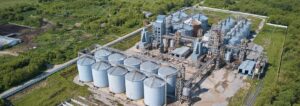
An organic fertilizer machine refers to an integrated production system rather than a single unit. It includes all equipment required to process organic raw materials into finished granular fertilizer, such as fermentation, crushing, mixing, granulation, drying, cooling, and packaging. A complete organic fertilizer machine system is also commonly called an modern organic fertilizer production line or organic fertilizer manufacturing plant.
This equipment is widely used to process materials such as livestock manure, poultry litter, crop straw, kitchen waste, sludge, and other organic residues. Related long-tail keywords include organic fertilizer production machine, organic fertilizer granulation machine, organic fertilizer pellet making machine, and automatic organic fertilizer production line.
Process Flow of an Organic Fertilizer Production Line
A modern organic fertilizer machine follows a standardized and efficient production process to ensure stable pellet quality and environmental compliance.
- Raw Material Collection and Fermentation
Organic wastes such as cow manure, chicken manure, and agricultural residues are first fermented to eliminate pathogens, weed seeds, and odors. Compost turners or fermentation systems accelerate decomposition and improve nutrient availability. - Crushing and Screening
After fermentation, materials are crushed to achieve uniform particle size. Screening removes oversized or unqualified materials, ensuring smooth granulation in the organic fertilizer granulation machine. - Batching and Mixing
According to nutrient requirements, fermented materials are mixed with additives such as humic acid, microbial agents, or mineral supplements. Efficient mixers ensure uniform nutrient distribution. - Granulation (Pelletizing)
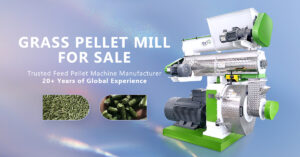
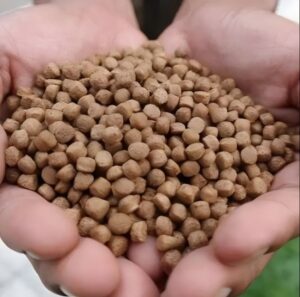
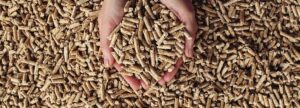
Granulation is the core step of an organic fertilizer machine system. Disc granulators, drum granulators, or extrusion granulators are commonly used to form uniform fertilizer pellets. Pellet size and hardness can be adjusted to meet market demand. - Drying and Cooling
Fresh pellets contain excess moisture and must be dried to improve strength and storage stability. Dryers and coolers ensure the final organic fertilizer pellets have suitable moisture content and temperature. - Screening and Packaging
Finished pellets are screened to remove fines and then automatically weighed and packed, completing the organic fertilizer manufacturing process.
Key Advantages of a Modern Organic Fertilizer Machine
Investing in a professional organic fertilizer machine system offers multiple benefits:
- Efficient Waste Recycling
Organic fertilizer machines convert agricultural and livestock waste into valuable fertilizer, supporting circular agriculture. - Stable and Uniform Pellet Quality
Controlled granulation and drying processes ensure consistent pellet size, strength, and nutrient content. - Flexible Raw Material Compatibility
A well-designed organic fertilizer pellet production line can process a wide range of organic materials. - Customizable Production Capacity
From small-scale organic fertilizer plants to large industrial lines, capacity can be tailored to investment scale. - Eco-Friendly and Energy-Saving Design
Modern organic fertilizer production machines focus on reduced emissions, low energy consumption, and compliance with environmental regulations.
Equipment Configuration of an Organic Fertilizer Machine Line
A complete organic fertilizer machine line typically includes:
- Compost turner or fermentation system
- Crusher and screening equipment
- Automatic batching and mixing system
- Organic fertilizer granulator
- Dryer and cooler
- Vibrating screen
- Automatic packing machine
Equipment selection and layout can be customized according to raw materials, site conditions, and output requirements.
Application Areas of Organic Fertilizer Machines
Organic fertilizer machines are widely used in:
- Livestock and poultry farms
- Agricultural cooperatives
- Organic farming enterprises
- Environmental protection and waste recycling projects
With increasing demand for organic and eco-friendly fertilizers, organic fertilizer production lines offer strong long-term market potential.
How to Choose the Right Organic Fertilizer Machine
When selecting an organic fertilizer machine solution, consider:
- Types and characteristics of raw materials
- Required production capacity and automation level
- Granule size and nutrient formulation
- Equipment durability and maintenance cost
- Supplier experience and technical support
A reliable organic fertilizer machine should deliver stable performance, consistent quality, and long-term operational efficiency.
(Useful link: https://pelletisingmachine.com/organic-fertilizer-pellet-making-machine/)
Conclusion
An integrated organic fertilizer machine system is the foundation of modern organic fertilizer manufacturing. By combining advanced granulation technology, efficient fermentation, and intelligent control systems, organic fertilizer machines enable sustainable waste recycling and profitable fertilizer production. For investors and producers seeking environmentally friendly and scalable solutions, choosing the right organic fertilizer machine is a key step toward long-term success.