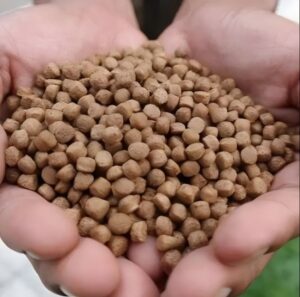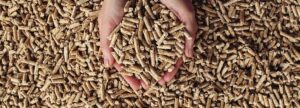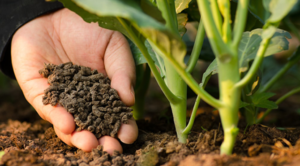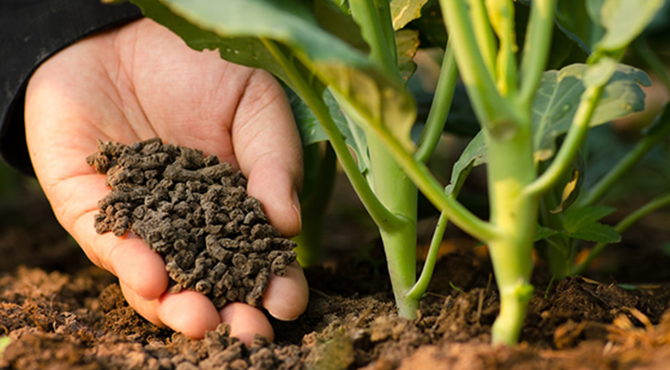
Organic fertilizer pellets have become a key product in modern sustainable agriculture because they convert organic waste into stable, nutrient-rich, and easy-to-apply fertilizers. However, producing high-quality pellets is not always simple. Many factors can affect pellet strength, appearance, nutrient stability, and overall performance in soil. Improving organic fertilizer pellet quality is therefore essential for manufacturers who want to remain competitive in the growing fertilizer market.
High-quality pellets are not only more attractive to buyers but also more effective in improving soil health and crop yield. Poor-quality pellets, on the other hand, may break easily, produce dust, release nutrients unevenly, or fail to deliver the expected agronomic benefits. Achieving consistent quality requires careful control of raw materials, processing conditions, and machinery performance, especially the role of the fertilizer granulator machine, which directly determines the final pellet formation process.
One of the most important factors influencing pellet quality is the selection and preparation of raw materials. Organic fertilizer pellets are typically made from animal manure, crop residues, food waste, and other organic by-products. However, these materials vary greatly in moisture content, nutrient composition, and physical structure. If the raw materials are not properly selected or balanced, the final pellets will lack uniformity and stability. For example, materials with excessive moisture can lead to soft and fragile pellets, while overly dry materials may not bind well during granulation. To improve pellet quality, producers must ensure that raw materials are well-fermented, fully decomposed, and properly mixed before entering the production line.
Fermentation is a critical step that significantly influences pellet quality. During composting, organic materials are broken down by microorganisms, reducing harmful pathogens and stabilizing nutrients. Proper fermentation also improves the texture of the material, making it more suitable for pellet formation. If fermentation is incomplete, the final pellets may continue decomposing after production, leading to odor problems, structural instability, and nutrient loss. Maintaining optimal temperature, moisture, and oxygen levels during composting ensures that the material entering the fertilizer granulator machine is stable and consistent.
Particle size is another key factor in improving pellet quality. After fermentation, raw materials must be crushed into fine and uniform particles. Large or uneven particles can disrupt the granulation process and result in irregular pellet shapes or weak structures. A well-controlled crushing process ensures that the material flows smoothly into the fertilizer granulator machine and forms dense, uniform pellets. Fine particles also improve the binding effect during compression, resulting in stronger and more durable fertilizer granules.
Moisture control plays an equally important role in pellet quality. The ideal moisture content for organic fertilizer granulation is typically between 20% and 30%, although this range may vary depending on material type and equipment design. If moisture is too high, the pellets will be soft, sticky, and difficult to shape. If moisture is too low, the material will not bind properly, causing poor pellet formation and high breakage rates. Adjusting moisture before feeding materials into the fertilizer granulator machine ensures stable operation and high-quality output. In many production lines, drying and humidifying systems are used to maintain optimal moisture balance.
https://richipelletizer.com/organic-fertilizer-pellet-machine
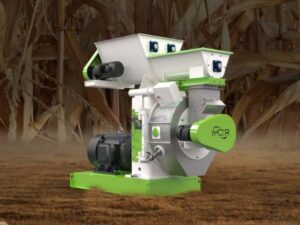
The fertilizer granulator machine itself is the core of the entire pellet production process. Its performance directly determines pellet shape, density, hardness, and uniformity. Modern granulation machines use mechanical pressure, rotation, or extrusion to form organic materials into consistent granules. If the machine is not properly selected or maintained, even high-quality raw materials will not produce satisfactory pellets. For example, worn rollers or dies can lead to uneven compression, resulting in inconsistent particle sizes. Regular maintenance, calibration, and replacement of worn parts are therefore essential for maintaining production quality.
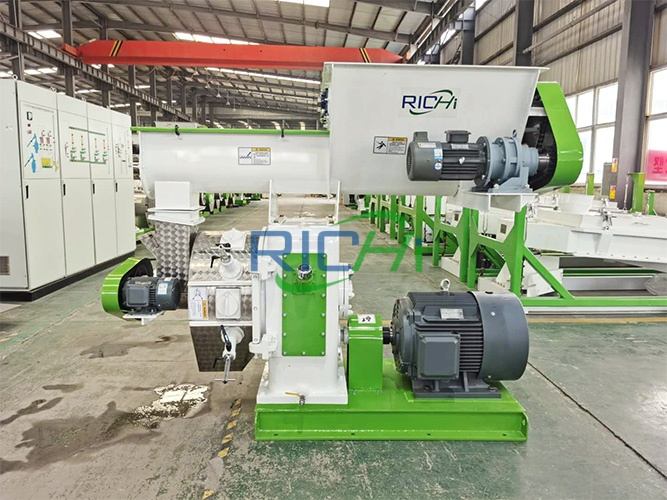
Different types of fertilizer granulator machine designs also influence pellet quality. Some machines are better suited for fine, well-fermented materials, while others can handle higher moisture content or mixed raw materials. Choosing the right granulation technology ensures better efficiency and product consistency. For instance, drum granulators are often used for large-scale production, while disc granulators provide better control over particle size distribution. Understanding the compatibility between raw materials and machine type is crucial for achieving optimal results.
In addition to equipment selection, operating parameters must be carefully controlled. Factors such as rotation speed, pressure intensity, and feeding rate all affect pellet formation. If the feeding rate is too high, the machine may become overloaded, resulting in poorly formed pellets. If the speed is too low, production efficiency decreases and pellet density may be inconsistent. Operators must continuously adjust and optimize these parameters to ensure stable performance of the fertilizer granulator machine.
Additives can also be used to improve pellet quality. Binding agents such as humic acid, lignin, or starch-based materials help improve cohesion between particles, resulting in stronger pellets. Mineral additives can also enhance nutrient balance while improving structural integrity. However, additives must be used in appropriate proportions, as excessive use may affect soil compatibility or microbial activity. Proper formulation ensures that pellets remain both physically strong and agronomically effective. (click for source)
After granulation, drying and cooling processes are essential for stabilizing pellet quality. Freshly formed pellets contain moisture and heat generated during compression. If not properly dried, they may deform, crack, or lose strength during storage. Controlled drying reduces moisture to safe levels, while cooling stabilizes the internal structure of the pellets. These steps ensure that the final product maintains hardness and durability during transportation and application.
Screening is another important step in quality improvement. After drying and cooling, pellets are usually passed through a screening system to separate qualified products from oversized, undersized, or broken particles. Reprocessing unqualified materials helps maintain consistency and reduces waste. High-quality pellets should have uniform size, smooth surface, and sufficient mechanical strength to withstand handling and spreading operations.
Packaging and storage conditions also influence final pellet quality. Even well-produced pellets can degrade if exposed to moisture, heat, or contamination during storage. Proper packaging materials and storage environments help preserve product integrity. Moisture-proof packaging prevents absorption of water from the environment, while ventilated storage areas reduce the risk of microbial growth or chemical changes.
Another important factor in improving organic fertilizer pellet quality is production line integration. A well-designed system ensures smooth transition between fermentation, crushing, mixing, granulation, drying, and packaging. If one stage is inefficient, it can negatively affect the entire production process. For example, uneven mixing can cause nutrient imbalance, while inconsistent drying can lead to unstable pellet structure. A fully integrated system ensures that the fertilizer granulator machine operates under optimal conditions at all times.
Operator skill and technical training also play an important role. Even with advanced equipment, improper operation can lead to poor pellet quality. Skilled operators understand how to adjust machine settings, monitor material conditions, and respond to production issues in real time. Continuous training improves efficiency and ensures consistent product quality.
Finally, continuous quality monitoring is essential for long-term improvement. Regular testing of pellet hardness, moisture content, nutrient levels, and size distribution helps identify production issues early. Data-driven adjustments allow manufacturers to optimize their processes and maintain high standards. In modern fertilizer production systems, automation and digital monitoring are increasingly being used to enhance quality control and reduce human error.
In conclusion, improving organic fertilizer pellet quality requires a comprehensive approach that includes raw material selection, fermentation control, particle size optimization, moisture management, machine performance, and post-processing techniques. The fertilizer granulator machine plays a central role in this process, as it directly determines the physical characteristics of the final product. By carefully managing every stage of production and continuously optimizing equipment and operations, manufacturers can produce high-quality organic fertilizer pellets that deliver superior performance in soil improvement and agricultural productivity. (view our website: Richi Pellet Mill)